Lophophora Diffusa var. Fricii Forma Albiflora: A Practical Guide on How to Germinate Peyote
If you are searching for how to germinate peyote such as our Lophophora diffusa var. fricii forma albiflora, you have likely realised that this is not a weekend hobby.
This is a commitment to biology, patience, and precise environmental control.
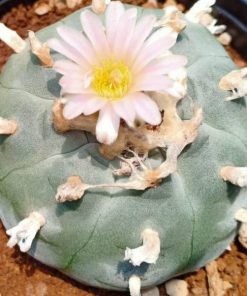
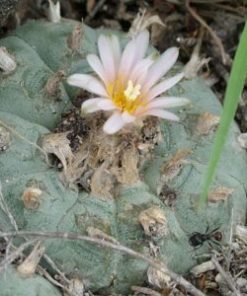
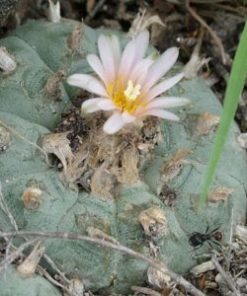
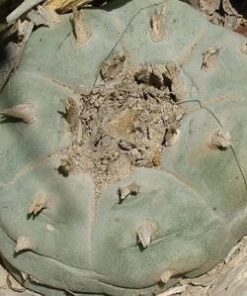
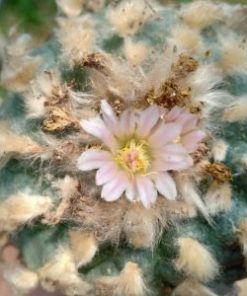
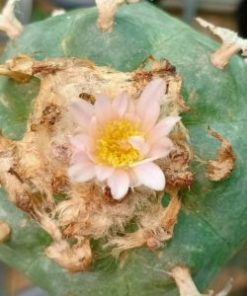
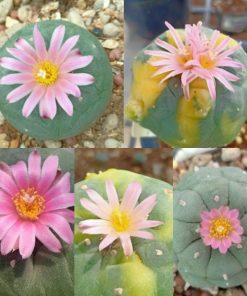
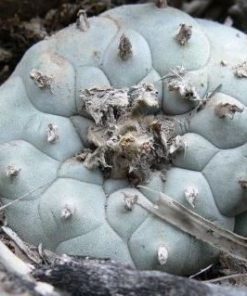
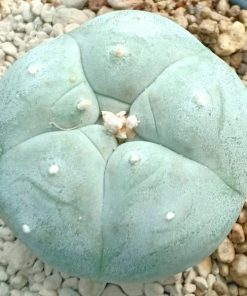
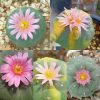
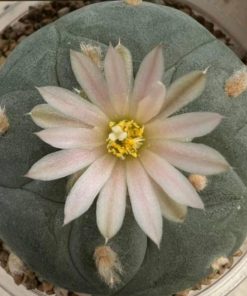
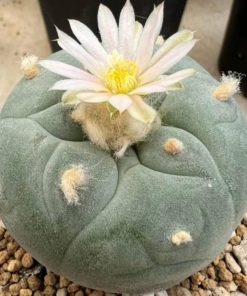
The L. diffusa var. fricii f. albiflora is a distinct variety known for its unique aesthetic, specifically the striking white flowers that set it apart from standard Lophophora species.
Most people fail because they treat these seeds like common garden flowers.
We do not.
We treat them like the slow-growing, sensitive succulents they are.
If you are ready to put in the work, follow our framework.
How to Germinate Peyote : The Core Principles
The process of propagation requires three things: high humidity, temperature fluctuation, and clean technique.
If you miss one, you get mould or dead seeds.
Follow these steps for the best success rate with your Lophophora seeds:
- Soil Preparation:Â Use a high-quality, nutrient-poor substrate like fine-grain pumice mixed with a tiny amount of peat moss.
- Sterilisation: Pasteurise your soil mix in an oven at 90°C for 30 minutes to kill any lurking fungus spores or bacteria.
- Humidity:Â This is non-negotiable.
- Place your container in a sealed, clear plastic bag or a purpose-built germination chamber.
- The soil must remain at 80–90% humidity during the first few weeks.
- If you do not see mist on the plastic, add water immediately.
- Temperature: Aim for 20–25°C during the day.
- Allow the temperature to drop slightly at night to mimic desert conditions.
- Lighting:Â Keep the seeds in a bright area, but never in direct sunlight.
- Direct sun will cook the seedlings instantly.
- Use a soft grow light for 12–14 hours a day if natural light is insufficient.
Why Quality Seeds Matter
You can have the perfect setup, but if your starting material is degraded, you will not see results.
We source our Lophophora diffusa var. fricii forma albiflora seeds to ensure high viability.
Fresh seeds possess a vitality that old, improperly stored seeds lack.
Once they sprout, resist the urge to open the container.
Let them grow undisturbed for at least 5–6 weeks.
Only when they have established a small, firm body should you begin to introduce dry air.
Treating them like mature cacti too early is the fastest way to kill your progress.
Avoiding Common Pitfalls
We see the same mistakes repeated constantly.
- Over-watering after germination:Â Once the plastic comes off, let the soil dry out completely between waterings.
- Using tap water:Â The chlorine and chemicals can inhibit growth. Use spring water instead.
- Burying the seeds:Â Place the seeds on top of the soil and press them down gently. They need light to trigger germination.
- Impatience:Â Some seeds sprout in days; some take weeks. Leave them alone and keep the environment consistent.
FAQs
Is it legal to grow this in my country?
Legality varies by region. We strongly advise checking your local laws regarding the cultivation of Lophophora species before making a purchase.
How long does it take for these seeds to grow into mature plants?
Lophophora are notoriously slow-growing. You are looking at a multi-year project before you see a mature cactus that flowers regularly.
Can I use regular potting soil?
No. Standard potting soil is too heavy, holds too much moisture, and is often full of mould spores. Use a sterile, gritty mix.
What should I do if I see green mould on the soil?
This is a sign of stagnant air or over-fertilisation. Increase airflow slightly, but be careful not to drop the humidity too quickly, or you may stress the seedlings.
Do I need a heat mat?
If your room temperature stays within 20–25°C, a heat mat is optional. If you live in a cold climate, a heat mat is highly recommended to maintain the necessary thermal shock.
When should I move them to a larger pot?
Do not rush this. Keep them in their germination container until they are 1–3cm in diameter.
What is the most common reason for failure when learning how to germinate peyote?
The most common reason is drying out the seedlings too early or exposing them to direct, scorching sunlight. Keep it humid, keep it bright but indirect, and keep it clean to master how to germinate peyote?


Reviews
There are no reviews yet.